ADAS calibration: the high-value service your bay is missing
As Bharat NCAP pushes driver-assist tech into everyday cars, sensor recalibration is quietly becoming routine work — and one of the best-paid services an independent bay can offer.
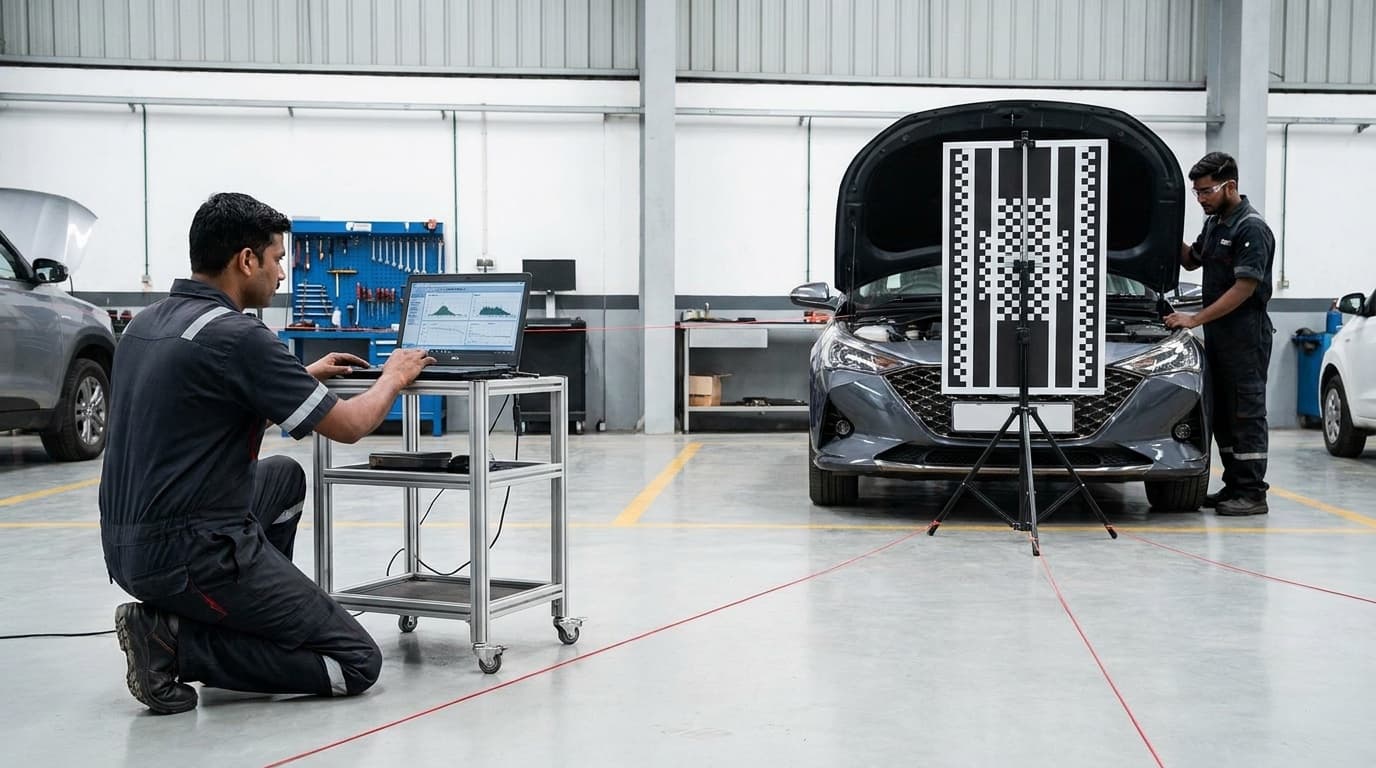
Advanced driver-assistance systems — automatic emergency braking, lane-keep assist, adaptive cruise — are no longer a luxury-car novelty. With Bharat NCAP rewarding these features and manufacturers fitting them across mainstream models, the cars rolling into independent bays increasingly carry cameras and radar that must be precisely aligned to work safely.
That shift turns everyday jobs into skilled, well-paid work — if your workshop is ready for it. Most still aren't, which is exactly why it's an opportunity.
What ADAS is — and why it drifts out of alignment
ADAS is a family of safety features driven by sensors watching the road: cameras behind the windshield, radar in the grille or bumpers, sensors in the mirrors. Common ones include:
- Automatic emergency braking (AEB) and forward-collision warning.
- Lane-departure warning and lane-keep assist.
- Adaptive cruise control.
- Blind-spot monitoring and rear cross-traffic alert.
- Traffic-sign recognition.
These sensors are aimed with fine tolerances. A few millimetres of offset or a fraction of a degree of angle — the kind a repair can easily introduce — and the system reads the road wrongly. Recalibration puts the sensor's view back where the manufacturer intended.
The everyday jobs that now trigger a recalibration
On an ADAS-equipped car, recalibration is required after far more work than owners expect:
- Windshield replacement — the forward camera sits on the glass.
- Removing or replacing a front camera, radar or related module.
- Bumper or grille repair, replacement or repaint where a radar hides.
- Suspension work, wheel alignment or any change to ride height.
- Collision repair and airbag deployment.
- Mirror replacement on cars with mirror-mounted sensors.
The economics — what it takes to offer it
Calibration is a real investment: a calibration frame and target set, a diagnostic platform with broad make coverage, and — critically — a level, well-lit space with enough clearance around the car, plus a technician trained to use all of it. The outlay is significant, and the return depends on the volume of ADAS vehicles you see. For a single workshop weighing that against uncertain demand, the maths can feel discouraging — which is why many owners keep sending these jobs to dealerships.
The workshops that learn ADAS while it's still uncommon will own the work when it's everywhere.
— AIAWA
Three ways in without betting the workshop
- 1Partner and refer first — build a relationship with a calibration-equipped centre, learn the workflow, and keep the diagnostic and fitment revenue you already earn.
- 2Go hub-and-spoke — pool investment with nearby members so one well-equipped facility serves several workshops.
- 3Phase your own build-out — start with the makes you see most, then add target sets and coverage as volume proves itself.
Where AIAWA fits
This is where belonging to a network changes the equation. Negotiated equipment pricing, shared training, and referral flow between members make the investment far easier to justify — or let a region build shared capability no single owner could fund alone. A capability out of reach for one workshop becomes practical for a collective.
More from the blog
All articles Policy
GST 2.0: what a flat 18% on parts means for your workshop
The September 2025 reform put nearly every spare part at a single rate. Here's how to turn that clarity into cleaner billing, fairer prices and healthier cash flow.
 Skills
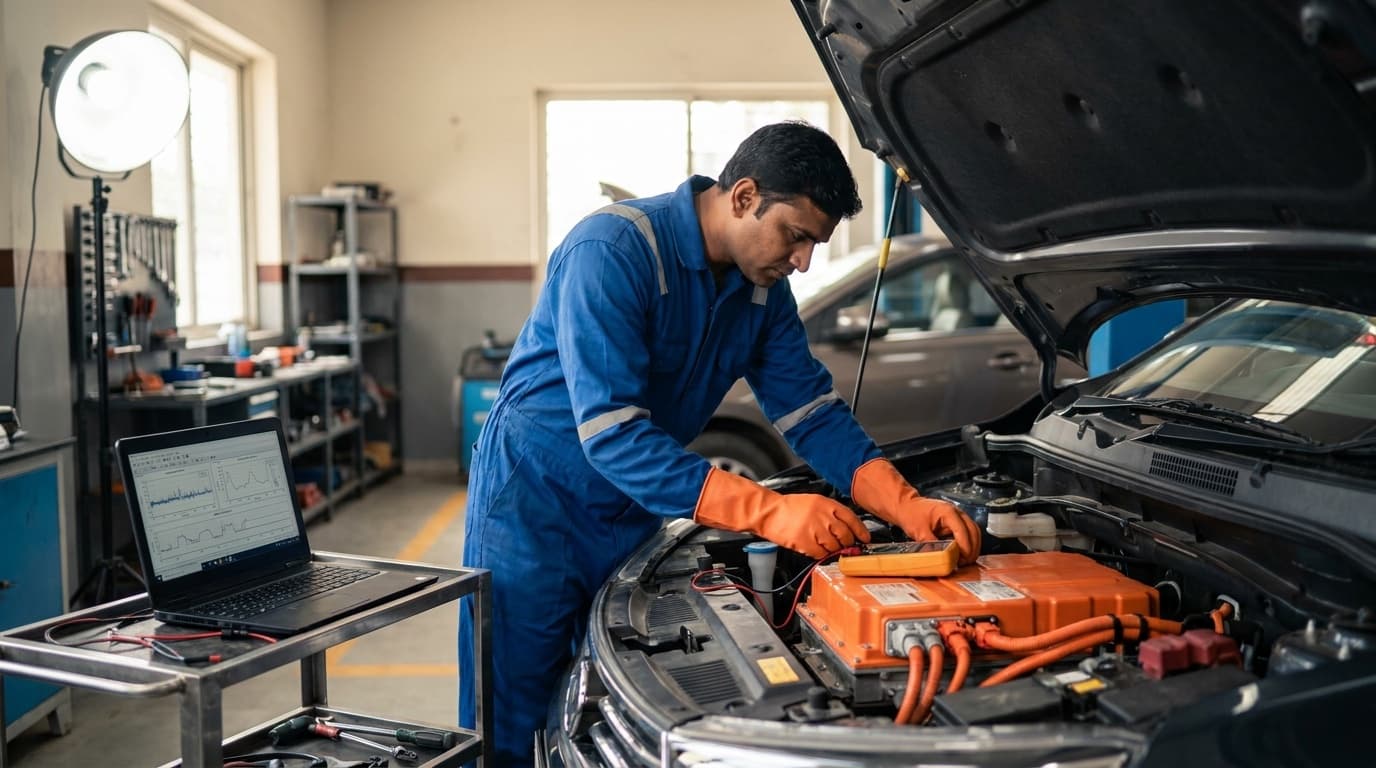
The EV technician gap — and how to close it in your workshop
India will need tens of thousands more trained EV technicians within a few years, while only a small share of the current workforce is ready. That gap is a genuine opening for independent workshops.
 EV & Hybrid
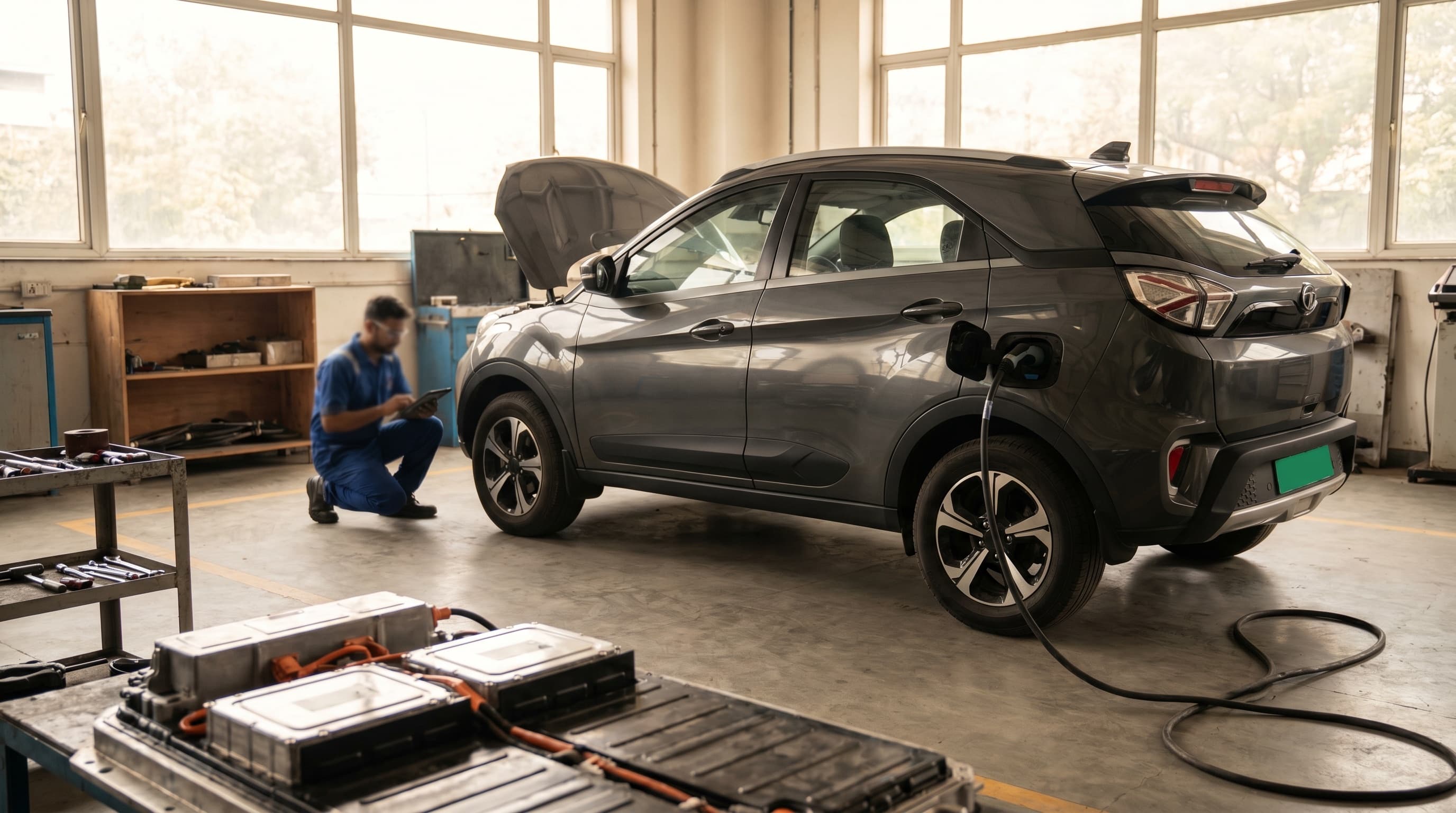
Navigating the EV transition: a strategy for independent workshops
Electric drivetrains change the maths of the service bay — but not overnight, and not in the way many owners fear. A practical strategy for the mixed-fleet decade ahead.